
Repairing Standard Scotland | Edinburgh Landlord Guide
A rental property does not become compliant simply because nothing dramatic has broken this week.
Scotland’s Repairing Standard sets the minimum condition a privately rented home must meet at the beginning of a tenancy and throughout it. It covers much more than emergency repairs. Heating, electrics, water, fire safety, kitchens, shared access, landlord-provided appliances and the fabric of the building can all form part of the landlord’s responsibility.
Winter matters because cold weather, wind and heavy rain have an inconvenient habit of exposing weak points. A struggling boiler, blocked gutter, defective window or poorly insulated pipe may become obvious very quickly in January.

But the legal duty is not seasonal. The Repairing Standard applies in July too.
For Edinburgh landlords, that means moving away from a “repair it when it fails” mindset and towards planned, well-documented property management. This guide explains what the standard includes, what changed in 2024, what will change in October 2026 and how to manage repairs without allowing a small defect to become an expensive crisis.
What is the Repairing Standard?
The Repairing Standard is the legal minimum condition for most homes in Scotland’s private rented sector.
A landlord must ensure that the property meets the standard at the start of the tenancy and continues to meet it throughout the tenancy. Appointing a letting agent does not transfer the legal responsibility away from the landlord, although a capable agent can manage the inspections, records, contractors and communication needed to keep the property compliant.
The Repairing Standard sits alongside the Tolerable Standard. In practical terms, the property must meet the basic threshold for human habitation and the additional requirements placed on privately rented homes.
The key point: compliance is not an annual certificate exercise. It is an ongoing duty to keep the property in the required condition and respond appropriately when a defect is reported or discovered.
What does the Repairing Standard cover?
The standard is broad. A privately rented home must satisfy the following core requirements.
The property must meet the Tolerable Standard
This is the basic legal threshold for a home to be fit for people to live in. It considers matters such as structural stability, freedom from serious damp, adequate lighting and ventilation, water supply, sanitation, cooking facilities and safety.
The property must be wind and watertight and reasonably fit for human habitation
The structure and exterior must be in a reasonable state of repair and proper working order. This includes relevant roofs, walls, windows, doors, drains, gutters and external pipes.
Water, gas, electricity, sanitation, heating and hot water must be in working order
Installations supplied with the property must be safe and functional. The standard now expressly includes fixed heating, residual current device protection and systems using fuels other than gas.
Landlord-provided fixtures, fittings and appliances must be safe and working
Items supplied by the landlord, such as a cooker, fridge, washing machine or fitted equipment, must be kept in a reasonable state of repair and proper working order where they form part of the tenancy.
Landlord-provided furnishings must be safe
Furniture and furnishings supplied with the property must be capable of being used safely and must meet the relevant fire-safety requirements.
The home must have satisfactory fire and carbon monoxide protection
The correct smoke, heat and carbon monoxide alarms must be installed, positioned, interlinked where required and maintained.
The kitchen must allow food to be stored and prepared safely
The property needs suitable space and facilities for food storage and preparation. A kitchen that technically exists but cannot be used safely does not meet the spirit or the detail of the standard.
Common parts must be safely accessible and usable
Closes, stairs, paths, lifts, bin areas and other shared parts connected to the tenancy must be capable of safe access and use. Lighting, obstructions and defective surfaces may all be relevant.
Common tenement doors must be secure and allow safe emergency exit
A common door should be secure, while the locking system must allow occupants to leave from the inside without using a key in an emergency.
What changed on 1 March 2024?
Several important requirements were added or strengthened from 1 March 2024. Landlords who have relied on an older checklist may therefore be missing current obligations.
- Safe kitchens: landlords must provide adequate and safe space and facilities for food storage and preparation.
- Fixed heating: the property must have a permanent heating system capable of meeting the required indoor temperatures.
- Residual current devices: electrical installations must include appropriate RCD protection.
- Lead-free water supply: water-supply pipes, tanks and fittings within the landlord’s responsibility must not contain lead where prohibited by the standard.
- Other fuel systems: installations using oil, liquid petroleum gas, solid fuel or other fuels must be in a reasonable state of repair and proper working order.
- Safe common access: shared areas connected to the property must be capable of safe access and use.
- Common repairs and consent: the guidance also explains the reasonable steps landlords must take to obtain the rights or agreement needed to complete work affecting common parts.
- Common doors: shared entrance doors must be secure and must allow occupants to exit safely from inside without a key.
These are not optional upgrades for landlords who happen to be planning refurbishment. They form part of the current legal standard.
Heating and hot water: the standard is more specific than “there is a boiler”
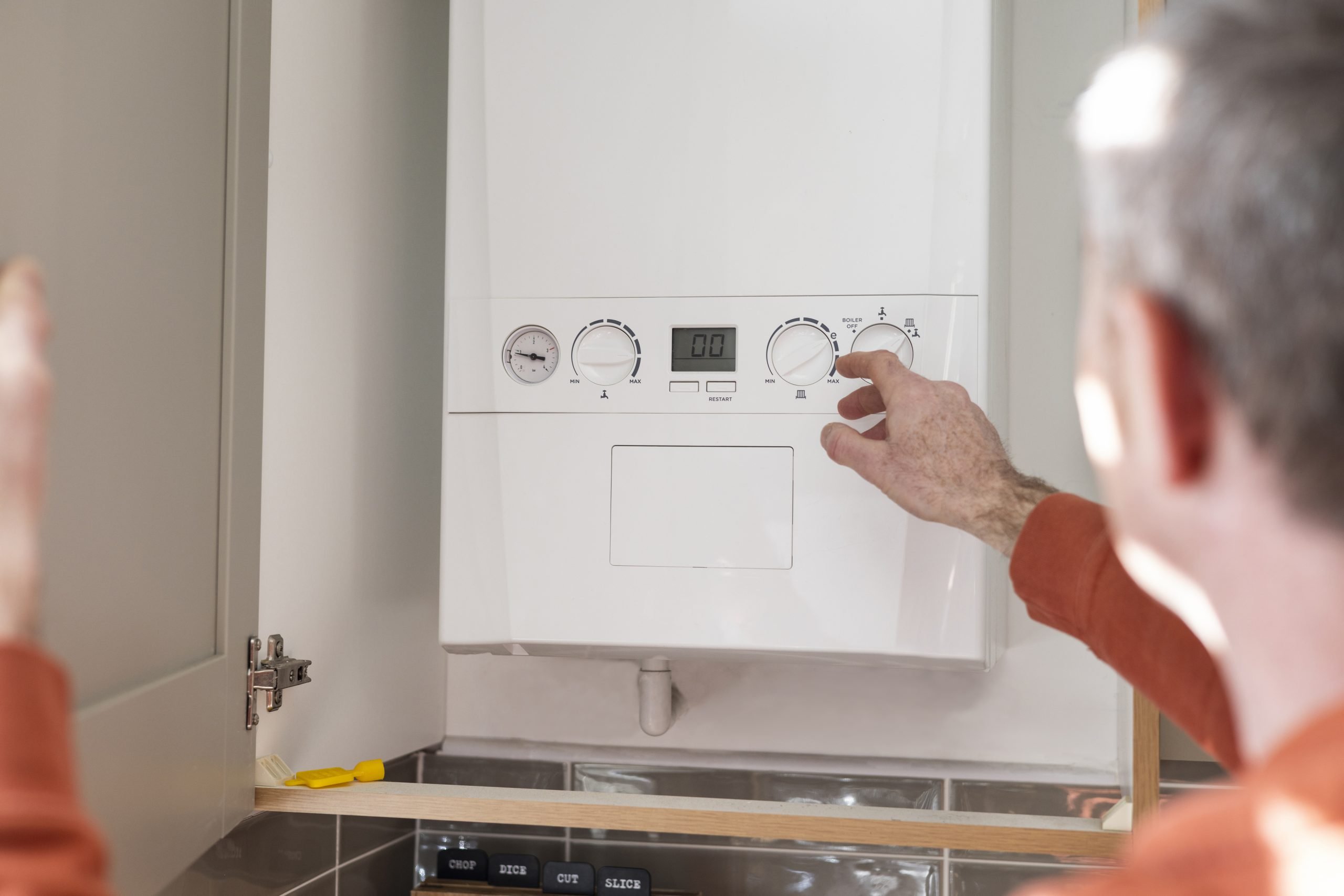
Scottish guidance now defines a fixed heating system as a permanent installation that is plumbed or hardwired. It must be capable of maintaining 21°C in at least one room and 18°C in the other relevant rooms when it is minus 1°C outside.
The system must be safe, in reasonable repair and capable of heating the property effectively. A boiler or storage heater being present is not enough if the home cannot reach the required temperatures.
Portable plug-in heaters may be used as a temporary measure while a failed fixed system is repaired, but they are not a suitable permanent substitute. The temporary period should be kept as short as reasonably possible.
For a more detailed comparison of boilers, storage heaters, direct electric heating and heat pumps, read Heating Systems in Edinburgh Rentals.
Electrical, gas and fire safety
Safety compliance needs a calendar, competent contractors and records that can be produced when required. Memory is not a compliance system.
Electrical installations and landlord-provided appliances
A Scottish rental normally requires an Electrical Installation Condition Report at intervals of no more than five years, unless the previous report recommends an earlier inspection.
The inspection should cover the fixed electrical installation, including appropriate RCD protection. Landlord-provided portable and moveable electrical appliances must also be inspected and tested appropriately as part of the electrical safety process.
Where an EICR identifies a C1 danger, immediate action is required. C2 defects should be dealt with urgently. Landlords should keep the report, evidence of remedial work and the information supplied to the tenant.
Gas safety
Where gas appliances, fittings or flues are provided, an annual gas safety check must be completed by a suitably qualified Gas Safe registered engineer.
The check must be completed every 12 months. Records must be retained for at least two years and given to new and existing tenants within the required timescales.
A gas safety check should not automatically be assumed to include a full boiler service. The scope should be confirmed with the engineer, and appliances should be maintained in line with the manufacturer’s instructions and competent professional advice.
Smoke, heat and carbon monoxide alarms
A private rental should have the required smoke and heat alarms, including a smoke alarm in the main living room, smoke alarms in circulation spaces such as hallways and landings, and a heat alarm in the kitchen. The alarms must be interlinked and ceiling-mounted in accordance with the relevant guidance.
Carbon monoxide protection is also required where specified, including rooms containing a fixed carbon-fuelled appliance. Read the Scottish Government guidance on carbon monoxide alarms for the detailed placement rules.
Alarms should be tested, maintained and replaced at the end of their service life. Tenant instructions should explain what each alarm sounds like and what to do if it activates.
Water supply, lead pipes and Legionella
The property must have an adequate wholesome water supply, functioning hot and cold water, sanitation and drainage.
The Repairing Standard also addresses lead in the water supply. Landlords should know whether lead pipes, lead-lined tanks or relevant lead fittings remain between the boundary stopcock and the kitchen tap. Where inspection or a plumber’s advice leaves uncertainty, or identifies a lead risk, tenants must be informed and a water sample must be taken for laboratory analysis in line with Scottish Government guidance.
Replacing old pipework can be more complicated in a tenement where sections pass through shared areas or serve several properties. That does not make the issue disappear. It means ownership, access and responsibility need to be established and managed.
Landlords must also assess and control the risk of Legionella. Scottish statutory guidance says a risk assessment should be completed before the property is first let and reviewed at intervals of no more than two years. If a review identifies changed risk factors, a new assessment should be carried out.
Damp, condensation and mould
Damp and mould are not diagnoses. They are symptoms that need investigation.
Possible causes include:
- A leaking pipe, roof or gutter;
- Penetrating or rising damp;
- Defective stonework, pointing or seals;
- Inadequate or faulty ventilation;
- An underperforming heating system;
- Cold bridging or inadequate insulation;
- Water entering from a neighbouring or common part; or
- Several factors operating together.
Landlords should not automatically blame condensation on the way the tenant lives. Scottish guidance recognises that heating, ventilation, insulation and defects in the building can all contribute. The cause should be assessed properly and action taken without avoidable delay.
From 6 October 2026, Awaab’s Law introduces specific statutory timescales for reports of damp and mould in Scotland’s rented sector.
- 10 working daysHave a competent person investigate the report within 10 working days of becoming aware of it.
- 3 working daysProvide a written summary to the tenant or their representative within 3 working days of completing the investigation.
- 5 working daysWhere the investigation identifies substantial damp or mould, begin required repair work within 5 working days of completing the investigation.
The five-working-day duty concerns the commencement of required repairs. A complex structural or common repair may take longer to complete. Private landlords must complete the work as soon as reasonably practicable. Where circumstances beyond the landlord’s control prevent compliance, the exceptional-circumstances procedure requires the tenant to be notified of the reason and revised timescale, and reasonable interim steps to be taken where practicable.
Read Albany’s full guide to Awaab’s Law in Scotland for the detailed timetable and practical preparation steps.
Edinburgh tenements and responsibility for common parts
Edinburgh landlords frequently own a flat rather than an entire building. The roof, external walls, gutters, downpipes, close, entrance door, stairs, paths and drainage may be shared with other owners.
Shared ownership can make repairs slower, but it does not automatically remove the landlord’s Repairing Standard responsibilities.
Depending on the defect and the title arrangements, the landlord may need to:
- Check the title deeds and any factor agreement;
- Notify the factor or other owners promptly;
- Provide evidence of the defect and the risk;
- Seek the necessary consent or invoke the relevant tenement decision-making process;
- Authorise emergency or temporary work where legally and practically possible;
- Keep the tenant informed; and
- Retain a clear record of every reasonable step taken.
The standard recognises that a landlord may not control every shared decision. The key question is whether reasonable steps were taken to obtain the rights, consent or cooperation needed to complete the work.
A factor being involved is part of the repair route, not an explanation for silence. The tenant still needs to know what has been reported, what is happening next and who owns the follow-up.
What should happen when a repair is reported?
A strong repair process protects the tenant, the property and the landlord’s legal position. It should be simple enough to use and disciplined enough to create a reliable record.
- Make reporting easy. Tenants should know where to report a problem, what information to include and who to contact in an emergency.
- Triage the risk. Check for immediate danger, loss of essential services, active water ingress, security issues, vulnerable occupants and the possibility of wider building damage.
- Acknowledge the report. Confirm that the issue has been received and explain the next step. Silence creates anxiety and rarely improves a repair.
- Inspect and diagnose. Use a competent contractor or specialist where the cause is uncertain. Photographs are useful, but they do not replace a proper investigation.
- Arrange access lawfully. Provide the required notice, agree a suitable appointment and record any access difficulty.
- Complete or make safe. An emergency visit may initially control the risk before a permanent repair is completed.
- Communicate and verify. Update the tenant and landlord, retain invoices and reports, and check that the repair has resolved the problem.
Albany tenants can use Fixflo to report a repair. Our guide to what is urgent and how to report repairs explains the process in more detail.
How quickly must a landlord complete a repair?
Outside the specific Awaab’s Law deadlines, the Repairing Standard generally requires work to be completed within a reasonable time after the landlord becomes aware of the problem.
There is no single number of days that applies to every repair. Reasonableness depends on factors such as:
- The immediate risk to health or safety;
- Whether heating, hot water, sanitation or security has been lost;
- The time of year and weather conditions;
- The needs of children, older people or vulnerable occupants;
- Whether the defect is causing continuing damage;
- The need for specialist investigation or parts;
- Access to the property or a neighbouring home;
- The involvement of a factor or other owners; and
- The steps the landlord has taken while the permanent repair is arranged.
A landlord who cannot complete a complex repair immediately should still take proportionate action: investigate, reduce the risk, arrange temporary measures where appropriate, document the obstacle and keep the tenant informed.
Access for inspections and repairs
For most Private Residential Tenancies, a landlord or managing agent will normally give at least 48 hours’ written notice before entering for an inspection or repair. Less notice can be appropriate in an emergency.
A landlord should not simply enter because notice has been sent. Access should be agreed, except where a genuine emergency justifies immediate action.
If reasonable access is repeatedly refused and the repair cannot be completed, the landlord can consider the formal Right of Entry process through the First-tier Tribunal. Keeping copies of notices, proposed appointments and tenant responses will be important.
What happens if the Repairing Standard is not met?
A tenant who believes the property does not meet the standard can apply to the First-tier Tribunal for Scotland (Housing and Property Chamber). A local authority can also refer a case in qualifying circumstances.
The Tribunal can inspect the property, decide whether the landlord has failed to comply and issue a Repairing Standard Enforcement Order requiring specified work.
Ignoring an enforcement order can have serious consequences. The Tribunal may make a Rent Relief Order restricting the rent payable, the local authority may become involved in carrying out work and recovering costs, and failure to comply with an order without reasonable excuse can amount to a criminal offence.
The practical lesson is simple: good records and prompt action matter. A contractor booking, inspection report, factor correspondence and tenant update can demonstrate progress. An empty inbox and a vague promise that “someone is looking at it” cannot.
A practical Repairing Standard checklist for Edinburgh landlords
Use this checklist as an operational prompt rather than a substitute for property-specific professional advice.
- Inspect the property before each tenancy and record its condition with dated photographs.
- Confirm that the home meets both the Tolerable Standard and the full Repairing Standard.
- Maintain a compliance calendar for gas, electrical, alarm and other recurring checks.
- Check that the fixed heating system can heat the whole property to the required temperatures.
- Confirm that RCD protection, smoke alarms, heat alarms and carbon monoxide protection meet current requirements.
- Review landlord-provided appliances, fixtures, furnishings and kitchen facilities.
- Understand the water system, lead-pipe risk and Legionella assessment requirements.
- Check roofs, windows, gutters, downpipes, drainage and visible external defects before winter weather exposes them.
- Know which common parts affect the property and retain the factor, title and co-owner information needed to act.
- Give tenants a clear reporting route and emergency instructions at the start of the tenancy.
- Record every report, inspection, access attempt, contractor instruction and update.
- Investigate damp and mould promptly and prepare the team for the October 2026 statutory deadlines.
- Verify that completed work has solved the underlying problem rather than merely disguised the symptom.
Need help keeping your Edinburgh rental compliant?
The Repairing Standard involves more than arranging a contractor when something breaks. It requires oversight, records, lawful access, appropriate triage and somebody who keeps responsibility for the issue until it is resolved.
Albany Lettings provides hands-on property management for Edinburgh landlords, including compliance administration, repair coordination, routine inspections, contractor management and clear communication with landlords and tenants.
You can also request a free online rental valuation if you are considering letting a property or reviewing your current management arrangements.
Repairing Standards | Frequently Asked Questions
What is the Repairing Standard in Scotland?
It is the minimum legal condition that most privately rented homes in Scotland must meet. It covers the Tolerable Standard, the structure and exterior, installations, landlord-provided items, furnishings, alarms, kitchens, common access and common tenement doors.
When does the Repairing Standard apply?
The property must meet the standard at the beginning of the tenancy and throughout it. The duty continues for as long as the property is rented.
Does the Repairing Standard only matter in winter?
No. It is a year-round legal duty. Winter weather often exposes heating, roof, gutter, pipework and damp problems, but the legal standard does not become more or less applicable with the season.
Is the Tolerable Standard the same as the Repairing Standard?
No. The Tolerable Standard is the basic minimum condition for a home to be fit for human habitation. A privately rented property must satisfy that threshold and the additional requirements contained in the Repairing Standard.
What changed in the Repairing Standard in March 2024?
The updated requirements included safe kitchens, fixed heating, RCD protection, lead-free water supplies, other fuel systems, safe access to common parts and secure common doors that allow keyless emergency exit from inside. The guidance also explains the reasonable steps landlords should take to obtain consent for common repairs.
What temperature must a Scottish rental property be capable of reaching?
The fixed heating system must be capable of maintaining 21°C in at least one room and 18°C in the other relevant rooms when the outdoor temperature is minus 1°C.
Can a landlord use portable heaters instead of repairing the fixed heating?
Portable heaters can be used temporarily while the fixed system is repaired, but they are not an acceptable permanent replacement. The temporary period should be kept to a minimum.
How often does an Edinburgh rental need an EICR?
An Electrical Installation Condition Report is normally required at intervals of no more than five years, unless the previous report recommends an earlier inspection. Required remedial work should be completed and recorded.
Does the landlord need to test electrical appliances?
Landlord-provided portable and moveable electrical appliances should be included appropriately within the electrical safety inspection and testing process. The scope should reflect the items supplied and current Scottish guidance.
How often is a gas safety check required?
Where gas appliances, fittings or flues are provided, a gas safety check must be completed every 12 months by a suitably qualified Gas Safe registered engineer. Records must be retained and supplied to tenants within the required periods.
What alarms are required in a Scottish rental?
The home needs the required interlinked smoke and heat alarms, including coverage in the main living room, circulation spaces and kitchen. Carbon monoxide alarms are also required in specified locations involving fixed carbon-fuelled appliances and flues.
What are a landlord’s responsibilities for lead pipes?
The relevant water-supply pipes, tanks and fittings within the landlord’s responsibility must comply with the lead-free requirements. If inspection or a plumber’s advice leaves uncertainty about lead pipes, or identifies a risk, tenants must be informed and water sampling arranged. Any replacement work should follow Scottish Government guidance, including its provisions for shared supplies and consent.
Does a landlord need a Legionella risk assessment?
Yes. The landlord must assess and control the risk from Legionella. Scottish statutory guidance says an assessment should be completed before first letting and reviewed at intervals of no more than two years. A new assessment is needed if a review identifies changed risk factors.
What will Awaab’s Law require from 6 October 2026?
Landlords must have a competent person investigate damp and mould reports within 10 working days, provide a written summary to the tenant or their representative within three working days of completing the investigation and, where substantial damp or mould is identified, begin required repair work within five working days of completing the investigation. Private landlords must complete the work as soon as reasonably practicable. The official guidance explains the procedure where circumstances beyond the landlord’s control prevent compliance.
Can a landlord blame damp or mould on the tenant?
The cause should not be assumed. Heating, ventilation, insulation, leaks, building defects, cold bridging and occupant activity can all contribute. The property and the circumstances need to be investigated properly.
Is an Edinburgh landlord responsible for a shared roof or close?
Potentially. Common parts can fall within the Repairing Standard. Responsibility may depend on title deeds and tenement arrangements, but the landlord is expected to take reasonable steps to obtain the rights, consent or cooperation needed to address relevant defects.
How quickly must repairs be completed?
Most repairs must be completed within a reasonable time after the landlord becomes aware of the defect. The appropriate timescale depends on risk, loss of essential services, weather, vulnerability, access, contractor availability and the nature of the work. Damp and mould will have specific statutory deadlines from 6 October 2026.
How much notice is needed to enter for repairs?
For most Private Residential Tenancies, at least 48 hours’ written notice is normally required. Less notice may be appropriate in an emergency. Access should still be agreed rather than assumed.
What can a tenant do if the landlord does not complete repairs?
The tenant can apply to the First-tier Tribunal for Scotland (Housing and Property Chamber). The Tribunal can decide whether the standard has been breached and order the landlord to complete specified work.
Is the landlord still legally responsible when a letting agent manages the property?
Yes. The landlord remains responsible for ensuring that the property meets the Repairing Standard. A letting agent can manage the practical work and communication, but the landlord should still understand the obligations and ensure the agent has the authority and resources to act.
You may also like
Other useful Albany pages
About Albany Lettings
Albany Lettings is an Edinburgh-based residential letting and property management specialist, established in 1995.
For more than 30 years, we have supported landlords across Edinburgh through changing market conditions, evolving legislation and the day-to-day realities of long-term property ownership.
Our approach is practical, people-focused and grounded in local experience. We are known for straightforward advice, robust compliance processes and consistent communication. Whether you own one property or a growing portfolio, our role is to guide you, reduce risk and help your investment perform over the long term.
Albany Lettings is part of the Quicklet Group.
Guidance references checked on 6 September 2026. This article provides general information, not property-specific legal advice.
A rental property does not become compliant simply because nothing dramatic has broken this week.
Scotland’s Repairing Standard sets the minimum condition a privately rented home must meet at the beginning of a tenancy and throughout it. It covers much more than emergency repairs. Heating, electrics, water, fire safety, kitchens, shared access, landlord-provided appliances and the fabric of the building can all form part of the landlord’s responsibility.
Winter matters because cold weather, wind and heavy rain have an inconvenient habit of exposing weak points. A struggling boiler, blocked gutter, defective window or poorly insulated pipe may become obvious very quickly in January.
But the legal duty is not seasonal. The Repairing Standard applies in July too.
For Edinburgh landlords, that means moving away from a “repair it when it fails” mindset and towards planned, well-documented property management. This guide explains what the standard includes, what changed in 2024, what will change in October 2026 and how to manage repairs without allowing a small defect to become an expensive crisis.
What is the Repairing Standard?
The Repairing Standard is the legal minimum condition for most homes in Scotland’s private rented sector.
A landlord must ensure that the property meets the standard at the start of the tenancy and continues to meet it throughout the tenancy. Appointing a letting agent does not transfer the legal responsibility away from the landlord, although a capable agent can manage the inspections, records, contractors and communication needed to keep the property compliant.
The Repairing Standard sits alongside the Tolerable Standard. In practical terms, the property must meet the basic threshold for human habitation and the additional requirements placed on privately rented homes.
The key point: compliance is not an annual certificate exercise. It is an ongoing duty to keep the property in the required condition and respond appropriately when a defect is reported or discovered.
What does the Repairing Standard cover?
The standard is broad. A privately rented home must satisfy the following core requirements.
1. The property must meet the Tolerable Standard
This is the basic legal threshold for a home to be fit for people to live in. It considers matters such as structural stability, freedom from serious damp, adequate lighting and ventilation, water supply, sanitation, cooking facilities and safety.
2. The property must be wind and watertight and reasonably fit for human habitation
The structure and exterior must be in a reasonable state of repair and proper working order. This includes relevant roofs, walls, windows, doors, drains, gutters and external pipes.
3. Water, gas, electricity, sanitation, heating and hot water must be in working order
Installations supplied with the property must be safe and functional. The standard now expressly includes fixed heating, residual current device protection and systems using fuels other than gas.
4. Landlord-provided fixtures, fittings and appliances must be safe and working
Items supplied by the landlord, such as a cooker, fridge, washing machine or fitted equipment, must be kept in a reasonable state of repair and proper working order where they form part of the tenancy.
5. Landlord-provided furnishings must be safe
Furniture and furnishings supplied with the property must be capable of being used safely and must meet the relevant fire-safety requirements.
6. The home must have satisfactory fire and carbon monoxide protection
The correct smoke, heat and carbon monoxide alarms must be installed, positioned, interlinked where required and maintained.
7. The kitchen must allow food to be stored and prepared safely
The property needs suitable space and facilities for food storage and preparation. A kitchen that technically exists but cannot be used safely does not meet the spirit or the detail of the standard.
8. Common parts must be safely accessible and usable
Closes, stairs, paths, lifts, bin areas and other shared parts connected to the tenancy must be capable of safe access and use. Lighting, obstructions and defective surfaces may all be relevant.
9. Common tenement doors must be secure and allow safe emergency exit
A common door should be secure, while the locking system must allow occupants to leave from the inside without using a key in an emergency.
What changed on 1 March 2024?
Several important requirements were added or strengthened from 1 March 2024. Landlords who have relied on an older checklist may therefore be missing current obligations.
- Safe kitchens: landlords must provide adequate and safe space and facilities for food storage and preparation.
- Fixed heating: the property must have a permanent heating system capable of meeting the required indoor temperatures.
- Residual current devices: electrical installations must include appropriate RCD protection.
- Lead-free water supply: water-supply pipes, tanks and fittings within the landlord’s responsibility must not contain lead where prohibited by the standard.
- Other fuel systems: installations using oil, liquid petroleum gas, solid fuel or other fuels must be in a reasonable state of repair and proper working order.
- Safe common access: shared areas connected to the property must be capable of safe access and use.
- Common repairs and consent: landlords must take reasonable steps to obtain the rights or agreement needed to complete work affecting common parts.
- Common doors: shared entrance doors must be secure and must allow occupants to exit safely from inside without a key.
These are not optional upgrades for landlords who happen to be planning refurbishment. They form part of the current legal standard.
Heating and hot water: the standard is more specific than “there is a boiler”
Scottish guidance now defines a fixed heating system as a permanent installation that is plumbed or hardwired. It must be capable of maintaining 21°C in at least one room and 18°C in the other relevant rooms when it is minus 1°C outside.
The system must be safe, in reasonable repair and capable of heating the property effectively. A boiler or storage heater being present is not enough if the home cannot reach the required temperatures.
Portable plug-in heaters may be used as a temporary measure while a failed fixed system is repaired, but they are not a suitable permanent substitute. The temporary period should be kept as short as reasonably possible.
For a more detailed comparison of boilers, storage heaters, direct electric heating and heat pumps, read Heating Systems in Edinburgh Rentals.
Electrical, gas and fire safety
Safety compliance needs a calendar, competent contractors and records that can be produced when required. Memory is not a compliance system.
Electrical installations and landlord-provided appliances
A Scottish rental normally requires an Electrical Installation Condition Report at intervals of no more than five years, unless the previous report recommends an earlier inspection.
The inspection should cover the fixed electrical installation, including appropriate RCD protection. Landlord-provided portable and moveable electrical appliances must also be inspected and tested appropriately as part of the electrical safety process.
Where an EICR identifies a C1 danger, immediate action is required. C2 defects should be dealt with urgently. Landlords should keep the report, evidence of remedial work and the information supplied to the tenant.
Gas safety
Where gas appliances, fittings or flues are provided, an annual gas safety check must be completed by a suitably qualified Gas Safe registered engineer.
The check must be completed every 12 months. Records must be retained for at least two years and given to new and existing tenants within the required timescales.
A gas safety check should not automatically be assumed to include a full boiler service. The scope should be confirmed with the engineer, and appliances should be maintained in line with the manufacturer’s instructions and competent professional advice.
Smoke, heat and carbon monoxide alarms
A private rental should have the required smoke and heat alarms, including a smoke alarm in the main living room, smoke alarms in circulation spaces such as hallways and landings, and a heat alarm in the kitchen. The alarms must be interlinked and ceiling-mounted in accordance with the relevant guidance.
Carbon monoxide protection is also required where specified, including rooms containing a fixed carbon-fuelled appliance. Read the Scottish Government guidance on carbon monoxide alarms for the detailed placement rules.
Alarms should be tested, maintained and replaced at the end of their service life. Tenant instructions should explain what each alarm sounds like and what to do if it activates.
Water supply, lead pipes and Legionella
The property must have an adequate wholesome water supply, functioning hot and cold water, sanitation and drainage.
The Repairing Standard also addresses lead in the water supply. Landlords should know whether lead pipes, lead-lined tanks or relevant lead fittings remain between the boundary stopcock and the kitchen tap. Where the position is unclear or there is a recognised risk, appropriate investigation and water sampling may be needed.
Replacing old pipework can be more complicated in a tenement where sections pass through shared areas or serve several properties. That does not make the issue disappear. It means ownership, access and responsibility need to be established and managed.
Landlords must also assess and control the risk of Legionella. A risk assessment should be completed before the property is first let and reviewed at appropriate intervals, normally no more than two years, as well as when the water system or occupancy circumstances change materially.
Damp, condensation and mould
Damp and mould are not diagnoses. They are symptoms that need investigation.
Possible causes include:
- A leaking pipe, roof or gutter;
- Penetrating or rising damp;
- Defective stonework, pointing or seals;
- Inadequate or faulty ventilation;
- An underperforming heating system;
- Cold bridging or inadequate insulation;
- Water entering from a neighbouring or common part; or
- Several factors operating together.
Landlords should not automatically blame condensation on the way the tenant lives. Scottish guidance recognises that heating, ventilation, insulation and defects in the building can all contribute. The cause should be assessed properly and action taken without avoidable delay.
From 6 October 2026, Awaab’s Law introduces specific statutory timescales for reports of damp and mould in Scotland’s rented sector.
- Investigate within 10 working days of receiving the report.
- Provide a written summary within 3 working days of completing the investigation.
- Begin any required repair within 5 working days of completing the investigation.
The five-working-day duty concerns the commencement of required repairs. A complex structural or common repair may take longer to complete, but the landlord must still investigate, communicate and begin the necessary action within the statutory framework.
Read Albany’s full guide to Awaab’s Law in Scotland for the detailed timetable and practical preparation steps.
Edinburgh tenements and responsibility for common parts
Edinburgh landlords frequently own a flat rather than an entire building. The roof, external walls, gutters, downpipes, close, entrance door, stairs, paths and drainage may be shared with other owners.
Shared ownership can make repairs slower, but it does not automatically remove the landlord’s Repairing Standard responsibilities.
- Depending on the defect and the title arrangements, the landlord may need to:
- Check the title deeds and any factor agreement;
- Notify the factor or other owners promptly;
- Provide evidence of the defect and the risk;
- Seek the necessary consent or invoke the relevant tenement decision-making process;
- Authorise emergency or temporary work where legally and practically possible;
- Keep the tenant informed; and
- Retain a clear record of every reasonable step taken.
The standard recognises that a landlord may not control every shared decision. The key question is whether reasonable steps were taken to obtain the rights, consent or cooperation needed to complete the work.
A factor being involved is part of the repair route, not an explanation for silence. The tenant still needs to know what has been reported, what is happening next and who owns the follow-up.
What should happen when a repair is reported?
A strong repair process protects the tenant, the property and the landlord’s legal position. It should be simple enough to use and disciplined enough to create a reliable record.
- Make reporting easy. Tenants should know where to report a problem, what information to include and who to contact in an emergency.
- Triage the risk. Check for immediate danger, loss of essential services, active water ingress, security issues, vulnerable occupants and the possibility of wider building damage.
- Acknowledge the report. Confirm that the issue has been received and explain the next step. Silence creates anxiety and rarely improves a repair.
- Inspect and diagnose. Use a competent contractor or specialist where the cause is uncertain. Photographs are useful, but they do not replace a proper investigation.
- Arrange access lawfully. Provide the required notice, agree a suitable appointment and record any access difficulty.
- Complete or make safe. An emergency visit may initially control the risk before a permanent repair is completed.
- Communicate and verify. Update the tenant and landlord, retain invoices and reports, and check that the repair has resolved the problem.
Albany tenants can use Fixflo to report a repair. Our guide to what is urgent and how to report repairs explains the process in more detail.
How quickly must a landlord complete a repair?
Outside the specific Awaab’s Law deadlines, the Repairing Standard generally requires work to be completed within a reasonable time after the landlord becomes aware of the problem.
There is no single number of days that applies to every repair. Reasonableness depends on factors such as:
- The immediate risk to health or safety;
- Whether heating, hot water, sanitation or security has been lost;
- The time of year and weather conditions;
- The needs of children, older people or vulnerable occupants;
- Whether the defect is causing continuing damage;
- The need for specialist investigation or parts;
- Access to the property or a neighbouring home;
- The involvement of a factor or other owners; and
- The steps the landlord has taken while the permanent repair is arranged.
A landlord who cannot complete a complex repair immediately should still take proportionate action: investigate, reduce the risk, arrange temporary measures where appropriate, document the obstacle and keep the tenant informed.
Access for inspections and repairs
For most Private Residential Tenancies, a landlord or managing agent will normally give at least 48 hours’ written notice before entering for an inspection or repair. Less notice can be appropriate in an emergency.
A landlord should not simply enter because notice has been sent. Access should be agreed, except where a genuine emergency justifies immediate action.
If reasonable access is repeatedly refused and the repair cannot be completed, the landlord can consider the formal Right of Entry process through the First-tier Tribunal. Keeping copies of notices, proposed appointments and tenant responses will be important.
What happens if the Repairing Standard is not met?
A tenant who believes the property does not meet the standard can apply to the First-tier Tribunal for Scotland (Housing and Property Chamber). A local authority can also refer a case in qualifying circumstances.
The Tribunal can inspect the property, decide whether the landlord has failed to comply and issue a Repairing Standard Enforcement Order requiring specified work.
Ignoring an enforcement order can have serious consequences. The Tribunal may make a Rent Relief Order restricting the rent payable, the local authority may become involved in carrying out work and recovering costs, and failure to comply with an order without reasonable excuse can amount to a criminal offence.
The practical lesson is simple: good records and prompt action matter. A contractor booking, inspection report, factor correspondence and tenant update can demonstrate progress. An empty inbox and a vague promise that “someone is looking at it” cannot.
A practical Repairing Standard checklist for Edinburgh landlords
Use this checklist as an operational prompt rather than a substitute for property-specific professional advice.
✓Inspect the property before each tenancy and record its condition with dated photographs.
✓Confirm that the home meets both the Tolerable Standard and the full Repairing Standard.
✓Maintain a compliance calendar for gas, electrical, alarm and other recurring checks.
✓Check that the fixed heating system can heat the whole property to the required temperatures.
✓Confirm that RCD protection, smoke alarms, heat alarms and carbon monoxide protection meet current requirements.
✓Review landlord-provided appliances, fixtures, furnishings and kitchen facilities.
✓Understand the water system, lead-pipe risk and Legionella assessment requirements.
✓Check roofs, windows, gutters, downpipes, drainage and visible external defects before winter weather exposes them.
✓Know which common parts affect the property and retain the factor, title and co-owner information needed to act.
✓Give tenants a clear reporting route and emergency instructions at the start of the tenancy.
✓Record every report, inspection, access attempt, contractor instruction and update.
✓Investigate damp and mould promptly and prepare the team for the October 2026 statutory deadlines.
✓Verify that completed work has solved the underlying problem rather than merely disguised the symptom.
Need help keeping your Edinburgh rental compliant?
The Repairing Standard involves more than arranging a contractor when something breaks. It requires oversight, records, lawful access, appropriate triage and somebody who keeps responsibility for the issue until it is resolved.
Albany Lettings provides hands-on property management for Edinburgh landlords, including compliance administration, repair coordination, routine inspections, contractor management and clear communication with landlords and tenants.
You can also request a free online rental valuation if you are considering letting a property or reviewing your current management arrangements.
Repairing Standards | Frequently Asked Questions
It is the minimum legal condition that most privately rented homes in Scotland must meet. It covers the Tolerable Standard, the structure and exterior, installations, landlord-provided items, furnishings, alarms, kitchens, common access and common tenement doors.
You may also like
Awaab’s Law in Scotland: What Edinburgh Landlords and Tenants Need to Know
Reporting Repairs in an Edinburgh Rental: What Is Urgent and When to Use Fixflo
Heating Systems in Edinburgh Rentals: Efficiency, Compliance and Tenant Comfort
Why Pipe Lagging Should Be a Priority for Scottish Landlords
Other useful Albany pages
Property Management for Edinburgh Landlords
Legal Compliance for Scottish Landlords
Preparing Your Edinburgh Property to Rent
About Albany Lettings
Albany Lettings is an Edinburgh-based residential letting and property management specialist, established in 1995.
For more than 30 years, we have supported landlords across Edinburgh through changing market conditions, evolving legislation and the day-to-day realities of long-term property ownership.
Our approach is practical, people-focused and grounded in local experience. We are known for straightforward advice, robust compliance processes and consistent communication. Whether you own one property or a growing portfolio, our role is to guide you, reduce risk and help your investment perform over the long term.
Albany Lettings is part of the Quicklet Group.
This copy reflects the legal and policy position checked on 21 August 2026.